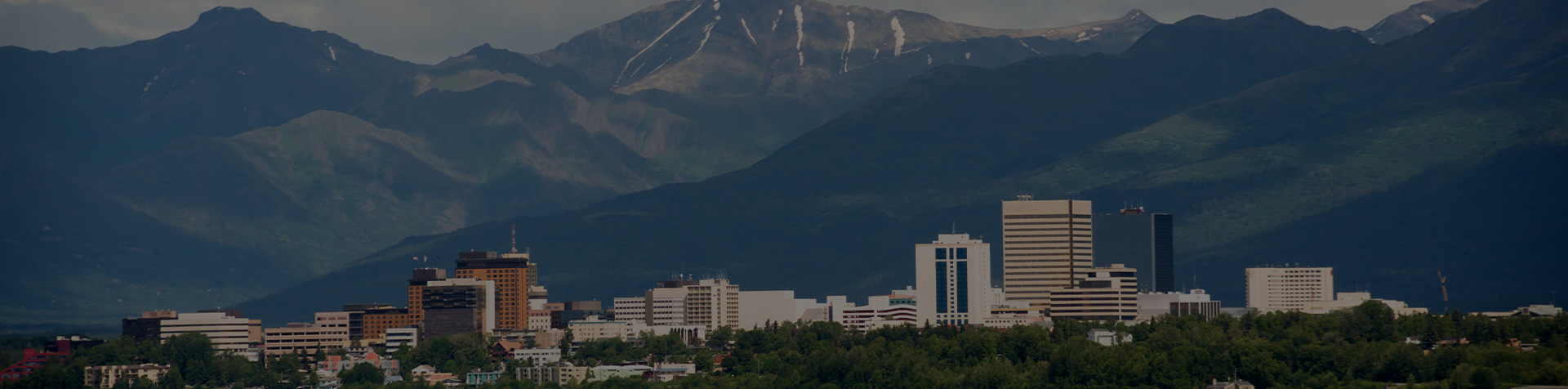
Anchorage averages 180 to 200 heating days a year, and the design-day low sits at approximately -18°F under ASHRAE Climate Zone 7 standards. That’s the temperature your system is sized to handle at its worst moment. A system that is poorly matched to your home (or chosen without accounting for what’s already in the walls) costs you money every month and fails you when temperatures actually hit that threshold.
We’ve been installing, repairing, and maintaining both boilers and furnaces in Anchorage and across the Matanuska-Susitna Borough since 2004. Over two decades, we’ve seen both systems perform well and both fail badly. The difference is almost never which type a homeowner chose. It’s whether the choice matched their home’s infrastructure, their fuel access, and the demands of an Alaska heating season.
Here’s what actually drives that decision.
How Each System Actually Heats Your Home
A furnace burns fuel to heat air and moves that air through ductwork using a blower. You feel the warmth quickly after the system kicks on, but it dissipates just as fast when the blower cycles off. In a well-insulated Anchorage home, that cycle runs frequently throughout the coldest months.
A boiler heats water and circulates it through pipes to baseboard radiators or radiant floor systems, a method called hydronic heating. Heat radiates from the surfaces themselves rather than blowing through registers. The warmth builds more slowly, but it holds longer between cycles. Radiant floor heating delivers even warmth from the ground up, which many homeowners in this climate find more comfortable than the temperature swings of forced air.
Neither system is inherently better in deep cold. Both can meet Anchorage’s design-day requirements when properly sized through a Manual J load calculation, which accounts for your home’s square footage, insulation values, window area, and local climate data. The Alaska Mechanical Code requires this sizing process for good reason. Undersizing a system in Climate Zone 7 isn’t a minor inconvenience. It’s a safety issue.
What’s Already in Your Home Matters Most
This is the point most comparison guides skip, and it’s the most important factor in your decision. Switching system types isn’t a unit-for-unit swap. It’s a structural renovation.
If your home has a boiler and you want a furnace, you need a full ductwork system installed throughout the building. This means opening walls and ceilings, running sheet metal or flexible duct to every room, adding supply and return registers, and integrating an air handler. The cost and disruption are significant, particularly in older Anchorage construction where walls weren’t designed with duct chases in mind. Going the other direction means installing an entirely new piping network, a distribution system of baseboard radiators or radiant floor loops, a boiler unit, and the associated pumps and controls. That’s equally invasive work.
For most homeowners replacing an aging system, the most cost-effective and least disruptive path is upgrading to a high-efficiency version of what they already have. A condensing gas furnace replacing an older 80% AFUE unit can push efficiency to 95% or higher with no ductwork changes. A condensing hydronic boiler replacing an older cast-iron unit can do the same while keeping your radiant floor or baseboard distribution intact. We recommend changing system types only when there’s a clear, specific reason to do so.
Fuel Access Shapes the Decision More Than Most Homeowners Realize
Gas furnaces dominate residential installations in the Anchorage Bowl, and that makes sense where natural gas service is available. Enstar Natural Gas is the largest utility in Southcentral Alaska, serving Anchorage, the Mat-Su Valley, the Kenai Peninsula, and 26 communities across the region. But Enstar doesn’t reach every address, and assuming your property is on the gas main before planning an installation is a mistake we see homeowners make.
Before any system decision, verify gas availability for your specific address through Enstar directly. Properties outside the service area rely on heating oil, propane, or electric resistance heat, and that changes the long-term operating cost math considerably. A typical Anchorage household spends $2,000 to $4,000 annually on heating fuel. The efficiency of the system you choose, and the cost per BTU of the fuel it burns, compounds over a six-month heating season year after year.
One more financial note: the Alaska Housing Finance Corporation’s Home Energy Rebate program has historically provided up to $10,000 for qualifying efficiency improvements, including heating system upgrades. The program opens and closes based on state funding, so verify current availability at ahfc.us before building it into a project budget.
Alaska-Specific Factors That National Comparisons Miss
There are a few considerations in this climate that don’t come up in generic guides but matter a great deal in Anchorage.
Comfort in Sustained Cold
Boilers hold a real comfort advantage during extended cold stretches. Radiant heat warms floors, walls, and furniture rather than circulating air. In homes that stay sealed for months at a time, there’s also an indoor air quality benefit: hydronic systems don’t move particulates, dust, or allergens through ductwork the way forced-air furnaces do. For families with respiratory sensitivities, that’s a meaningful difference.
Freeze Risk During Outages
Boiler systems carry a risk that furnaces don’t. If power goes out for an extended period in deep winter, or if a home is left vacant without proper precautions, the water in the piping loop can freeze. Any boiler installation in Alaska needs a freeze protection plan, whether that’s a glycol antifreeze mix in the loop, a backup power source, or a drain-down procedure for seasonal absences.
Efficiency Ceilings for Both Systems
Modern condensing furnaces can exceed 95% AFUE, meaning 95 cents of every dollar spent on gas goes directly into heating your home. They also integrate cleanly with central air if ductwork is already in place. Condensing hydronic boilers, including the Navien systems we install as a certified NSS Navien Service dealer, reach similar efficiency levels with the added benefit of radiant floor compatibility and precise zone control. The technology gap between a well-installed boiler and a well-installed furnace is much narrower than it was a generation ago.
Six Months of Hard Running Changes What Maintenance Means
In most of the country, a filter swap and an annual tune-up is adequate. In Anchorage, your system runs harder and longer, and that changes what “adequate” means.
Gas Furnace Maintenance
Gas furnaces need filter changes every one to three months during active heating season, plus an annual professional inspection covering the heat exchanger, flame sensor, and gas lines. The heat exchanger deserves particular attention: a crack can allow combustion gases into living spaces, and the extended run times of an Alaska heating season accelerate the wear that leads to those cracks.
Boiler Maintenance
Boilers need annual professional inspection plus periodic flushing to remove sediment that accumulates in the loop over time. Sediment reduces heat transfer efficiency and can damage pumps and the boiler itself. Loop pressure maintenance and water quality are specific competencies that general HVAC service sometimes overlooks, and we see the consequences of that gap regularly.
Both systems benefit from consistent, proactive care. Our Discount Club membership includes annual cleaning and inspection of up to three heating appliances, priority scheduling, and a lifetime warranty on service repairs. For homeowners running a system hard through an Anchorage winter, that kind of structured maintenance schedule isn’t optional. It’s what helps prevent an unplanned failure from happening at 2 a.m. in January.
The Right System Depends on Your Specific Home
There isn’t a universal winner in the boiler vs. furnace comparison for Anchorage homes. The right system depends on what’s already in your walls, whether your address is on the Enstar gas main, how your home is used, and what your priorities are for comfort and long-term operating cost. The starting point for any honest recommendation is a diagnostic assessment of your existing equipment and a conversation about your home’s layout and fuel access. Discount Mechanical Heating and Plumbing offers free estimates on new installations, and our team is available around the clock for Anchorage and Mat-Su homeowners who need guidance or have a system that can’t wait. Give us a call at (888) 977-5031.